COVID-19 and Virus Disinfection
After an outbreak, virus disinfection treats shared spaces, offices and homes.
See covid-19 and virus disinfectionGet infectious disease cleanup for a home, office, school, rental or shared space in Naples. The process covers cleaning, EPA-registered disinfectants, label contact time and a final check of treated surfaces.
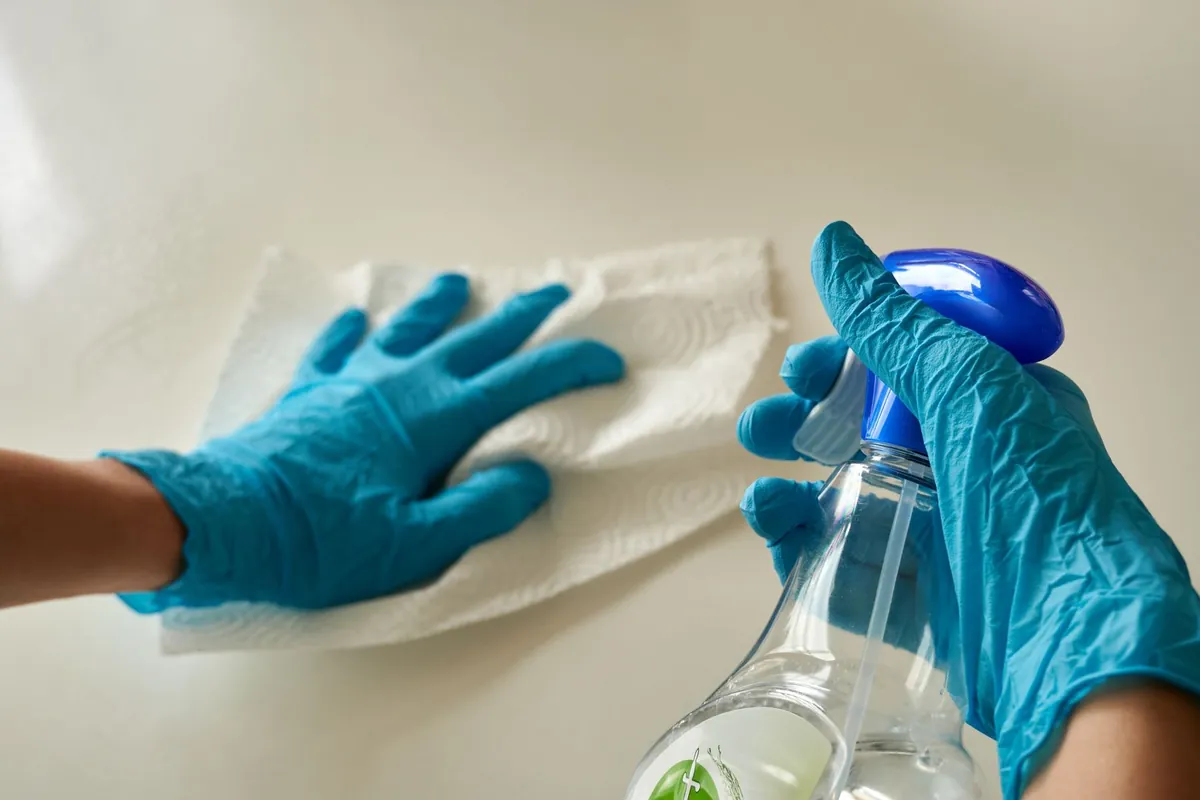
Infectious disease cleanup uses an organized cleaning and disinfection plan wherever disease-causing bacteria, viruses or other germs may be present. Attention is given to the affected zone, nearby surfaces and objects touched often.
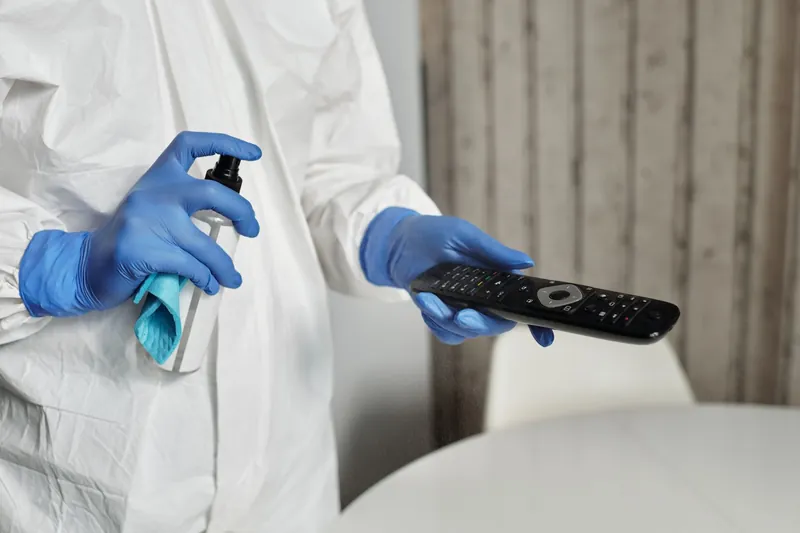
Before cleaning starts, the space is reviewed for its use, possible contamination and surfaces that may react to a product. Workers first take away visible soil. Next, they use an EPA-registered disinfectant as its label directs. This includes leaving the surface wet for the stated contact time, which lets the product perform as intended.
Homes and shared vehicles can be treated, as can offices, restaurants, schools, rental properties and healthcare spaces. Unlike regular cleaning, this work has a scope based on a suspected or confirmed concern involving infectious disease. Blood, bodily fluids and hazardous materials fall under biohazard remediation instead, where extra protective equipment, material removal and waste disposal may be necessary.
You need a clear list of included rooms, objects and surfaces, excluded areas and the actions taken during every step.
Before cleanup starts, you can point out delicate belongings and decide what can be moved, cleaned or not disturbed.
By using unmarked vehicles and limiting work to affected areas, crews help you move forward without unwanted attention.
The product, dilution, surface compatibility and contact time should be explained clearly, without suggesting that a quick spray is enough.
A contamination incident, confirmed illness or suspected exposure may call for more than standard janitorial work. Infectious disease cleaning can be appropriate in situations such as these:
These cleanup services use a planned treatment for customer areas, employee spaces, restrooms, break rooms and common touchpoints.
In rooms occupied by someone who was ill, visible soil is cleaned before compatible surfaces are disinfected.
Added household support can target your kitchen, bathrooms, bedrooms and living areas used by others.
A clear work scope covers rentals, schools, offices and other locations with rooms and fixtures used by several people.
First, reduce contact with the area and prepare accurate details for the cleanup technicians. Take these steps before the job starts:
Call (888) 351-0904Each virus decontamination job has a published range of $1,500 to $3,500 in the guides. For infectious disease decontamination, their listed ranges are $1,000 to $8,000 and $2,000 to $8,000 each. A further cost guide for biohazard cleanup lists $1,500 to $10,000 for each infectious disease disinfection job. The final amount is affected by the space, suspected germ, quantity of surfaces, testing needs and any work on the air system.
The figures shown are national ranges from published cost guides and are not based on an on-site visit. The price for your property is set after the on-site assessment, and you hear it before work starts.
Ask about cost: (888) 351-0904Whether insurance pays depends on the terms of the policy, the property affected and the source of contamination. A routine disinfection visit or cleaning for prevention may not qualify. If circumstances permit, confirm coverage for the particular event with your insurance company before work starts.
A business policy may treat cleanup costs differently from a home policy. The policy wording and cause of loss control the decision.
Check whether your policy covers the contamination, how much the deductible is and what photos, scope details or other records the insurer expects.
The involved section of the property and your lease can determine responsibility. Read those documents before deciding who authorizes the work.
For your claim file, insurance assistance may arrange the service scope, invoices, treated-surface records and appropriate photos from the affected area.
The remediation process is built around the suspected germ, the affected areas and the disinfectant label. Every step has a purpose, from controlling entry to checking that the full scope is complete.
Cleanup involves noting fragile materials, high-contact areas, rooms and any bodily fluids or waste capable of changing the planned work.
Access is restricted and a route from clean areas toward dirty ones protects surrounding spaces from equipment and people walking through.
Selection of protective equipment and gloves reflects the chemical, job and exposure identified during scoping.
Dust, dirt and visible residue are removed with methods suited to each surface before disinfection begins.
Compatible materials receive an EPA-registered disinfectant mixed at the label dilution, and they remain wet throughout the listed contact time.
Focused application reaches switches, door fittings, bathroom fixtures, counters and commonly used equipment, not merely a general spray.
The process cleans reusable equipment, contains single-use materials and sorts any hazardous waste into its correct disposal route.
The entire process finishes with areas compared against the scope and a clear account for you of every treated room and surface.
You can call anytime. A specialist in infectious disease disinfection takes your call, explains each step and agrees on a start time with you.
Exposure to contaminants, mistakes with cleaning products and missed high-touch surfaces are the primary risks. Each one is addressed through a deliberate cleanup process, not a fast application of spray.
Extra risk can result from excessive product use, combined chemicals or failure to follow ventilation instructions. Dilution, application and safety measures must follow the product label.
The spread pattern and period of viability are different for each virus and bacterium. The suspected germ, surface and setting guide the disinfection plan.
When contaminated materials shelter germs from a disinfectant, needless contact can create serious health risks. Visible residue has to be cleaned away before an appropriate product remains on the surface for its entire contact time.
Can you clean it yourself? When no exposure is known and neither hazardous waste nor bodily fluid is present, normal cleaning may suffice. Consider professional cleanup for a documented and steady process when a vulnerable occupant uses the space, illness involves several rooms or you cannot establish where the affected area ends.
Most infectious disease disinfection is surface treatment, not demolition. Materials are kept when they can be cleaned safely, while items with bodily fluids or contamination that cannot be removed may need a separate disposal plan.
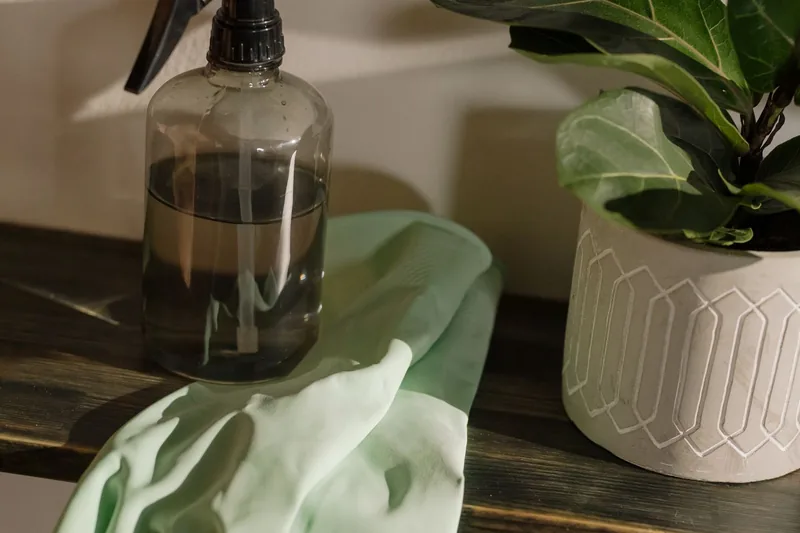
When employees may encounter blood or other potentially infectious materials, OSHA Bloodborne Pathogens Standard 29 CFR 1910.1030 applies.
Proper use requires a surface that tolerates the product and adherence to the EPA label for dilution, application and full contact time.
New York treats blood-soaked materials from a biohazard scene as regulated medical waste. Rules from the Department of Environmental Conservation and the Department of Health control how it is packed, moved and treated, so it cannot go in household trash. The material needs identification first, since regulated medical waste may be disposed of differently than ordinary cleaning waste.
Additional cleaning procedures may apply in schools, healthcare environments, food spaces and other facilities. The plan still needs to incorporate your site's requirements and up-to-date public health instructions.
The schedule is affected by how large the area is, how many surfaces require work, whether treatment can occur by section and how long the product must stay in contact. A dependable timeframe requires an assessment of the site first.
The full infectious disease disinfection guide covers what is cleaned or removed, odor and air quality work, and the rules that apply in Ontario County.
Read the full infectious disease disinfection guidePlanning for access, containment and cleanup can depend on local population, housing and entry conditions.
At 32.8% renter occupancy, cleanup needs vary between leased units and owner occupied homes, especially around authorization for demolition.
Local housing has a median build year of 1938, making hidden gaps and absorbent materials important during odor source removal.
When 40.9% of seniors live alone, clear item documentation can help an absent relative make careful decisions about belongings.
Detached and single-family properties account for 71.3% locally, so exterior access and safe waste movement should be planned early.
You can ask about cleanup in nearby communities and ZIP codes during the call.
After an outbreak, virus disinfection treats shared spaces, offices and homes.
See covid-19 and virus disinfection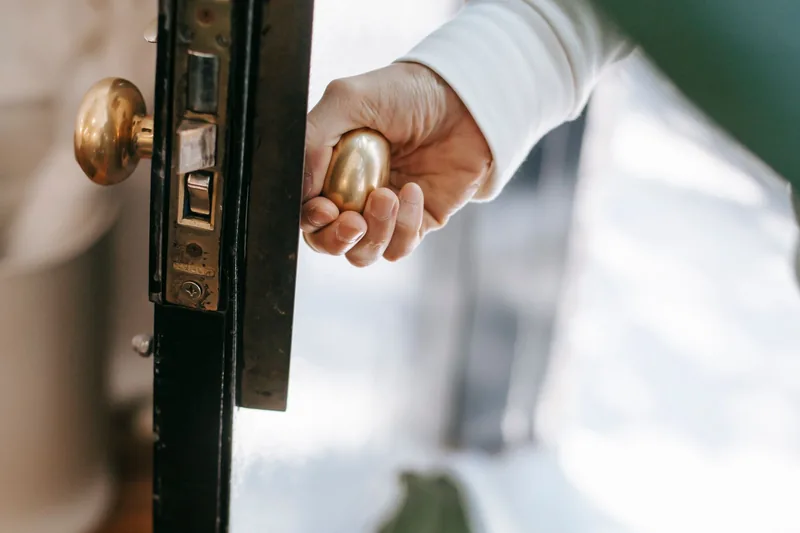
Cleanup in gyms, residences and care settings addresses C. diff, norovirus and MRSA.
See mrsa, c. diff and norovirus cleanup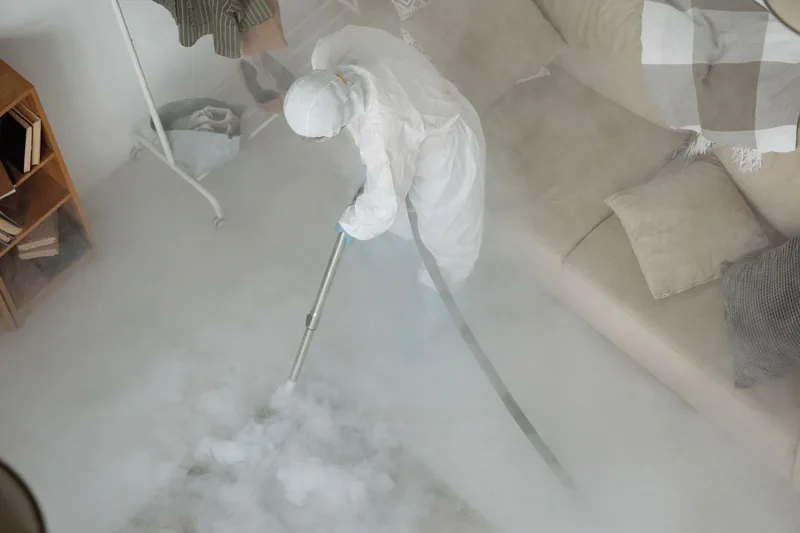
Full decontamination of rooms, surfaces and air after infectious or hazardous exposure.
See biohazard decontamination
A contaminated space is restored to safe use through biological remediation and contaminant removal.
See biohazard remediation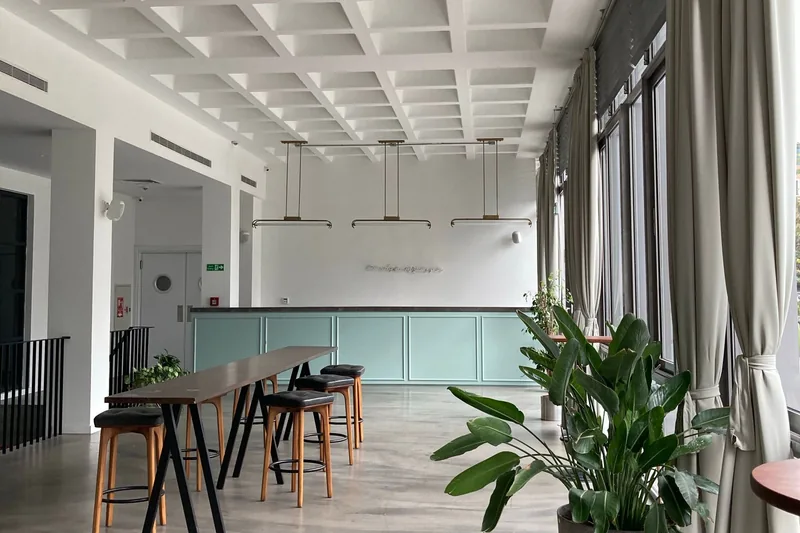
Planning for industrial and commercial biohazard cleanup considers operations and access to the site.
See commercial and industrial biohazard cleanup
Healthcare biohazard cleanup covers clinics, care facilities and residential care homes.
See hospital and healthcare biohazard cleanup
After exposure or injury, workplace biohazard cleanup covers offices and other work sites.
See office and workplace biohazard cleanup
When classes are not in session, biohazard cleanup addresses schools and childcare settings.
See school and daycare biohazard cleanupSome registered disinfectant products contain alcohol, but the ingredient name alone does not tell you whether a product is suitable for a surface or germ. The product label must cover how you plan to use it, and you need to follow the stated instructions and contact time. Do not rely on drinking alcohol, homemade mixtures or an unlabeled container for disinfection.
Many bacteria are harmless, but some qualify as biological hazards because they are capable of causing disease. Concern varies according to the setting, type of organism and way a person may be exposed. When contamination contains medical waste, sewage, bodily fluids or blood, biohazard cleanup may be needed beyond ordinary surface disinfection.
Before cleaning, check if the wooden surface is unfinished, sealed or coated with another finish. The surface should receive only compatible cleaning products and an EPA-registered disinfectant applied as labeled. Check a limited area out of view if appropriate. A different method may be necessary for absorbent, damaged or raw wood compared with sealed furniture.
Urine does not automatically receive identical treatment in every situation. Applicable disposal rules, volume, any blood and the related health condition all affect how the material is managed. Keep people out, do not touch the material directly and give clear details in advance to support the right protective gear and disposal route.
Keep others outside the affected area initially, and remove visible residue from suitable surfaces. Observe the full contact time and dilution on the label when applying an EPA-registered disinfectant. Give common touchpoints special attention, and do not combine one product with another. For the latest medical, isolation or testing guidance, consult the public health authority or your healthcare professional.
After cleaning away noticeable residue and dirt, disinfect often-touched surfaces that tolerate an EPA-registered product. For protective gear, application, ventilation and wet time, follow all directions printed on the label. Clean reusable equipment according to directions, secure disposable waste and keep worn gloves or cloths from entering surrounding areas.
Crews carry out respectful, discreet infectious disease disinfection, arrive in unmarked vehicles and take calls 24 hours a day.